
Link profile inventory and segmentation
Combine available sources, remove obvious duplicates, and organize referring domains, target pages, anchors, link types, and acquisition patterns for review.
Understand which sites link to the business, what those links support, where relevant opportunities exist, and which patterns need closer investigation.
Backlink analysis fits businesses that need evidence before starting link acquisition, responding to a traffic loss, planning a migration, reviewing a legacy vendor, or comparing authority with search competitors. It is a diagnostic service focused on defensible next actions.
The team cannot explain which referring sources support its most important pages.
Third-party authority or toxicity scores are being treated as definitive findings.
Lost links, broken destinations, redirects, and unlinked brand mentions are not being reviewed.
Competitor backlink gaps have not been filtered for relevance, feasibility, or business value.
Backlink analysis is diagnostic work. It inventories meaningful links, investigates quality and risk, identifies lost or broken value, and compares relevant authority patterns without selling links.
The client supplies known campaigns, prior agencies or vendors, manual-action notices if any, important landing pages, website history, and access to available link and Search Console data.
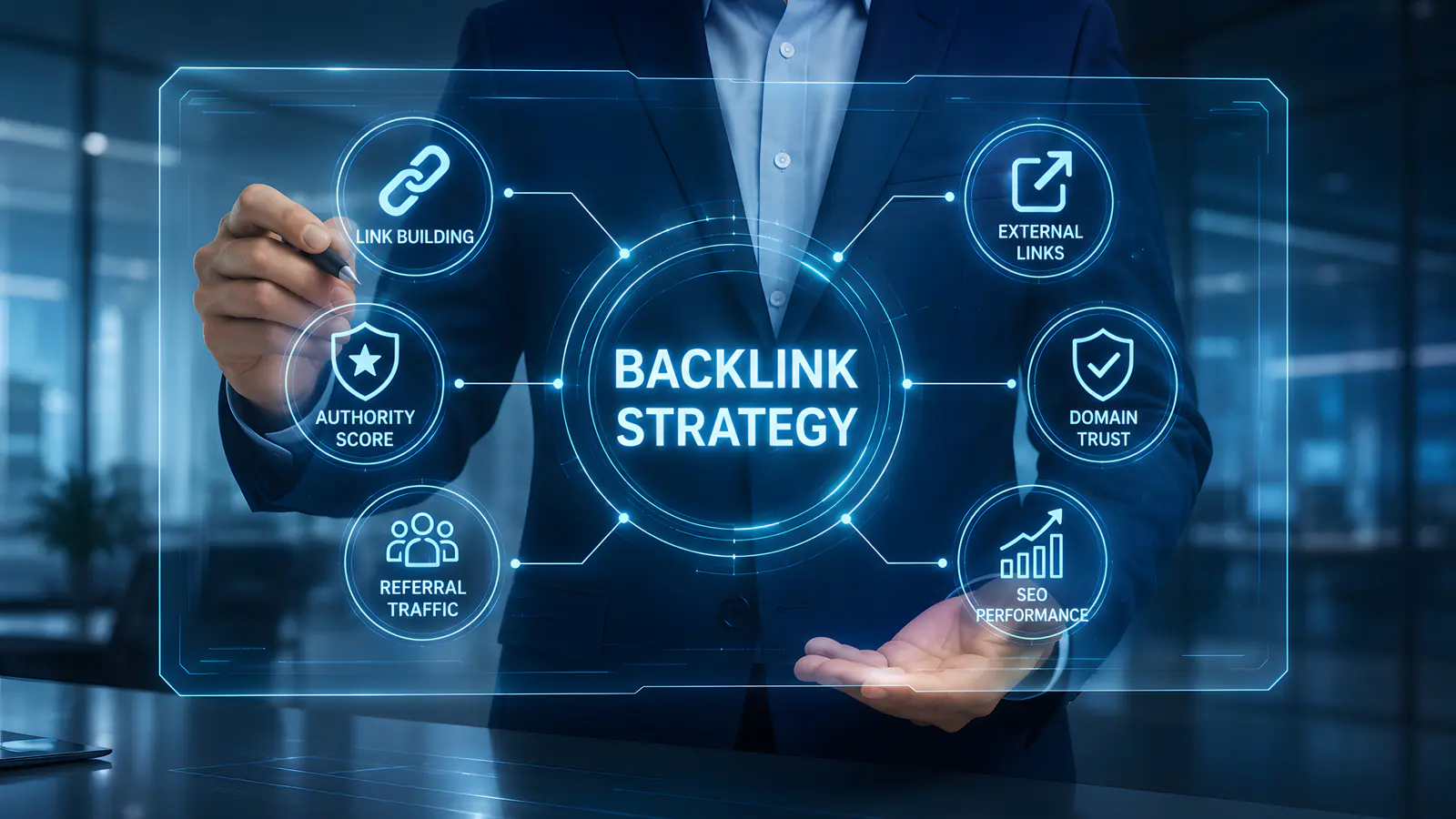
The work is adapted to the real decisions within this service rather than copied from a generic checklist.
Combine available sources, remove obvious duplicates, and organize referring domains, target pages, anchors, link types, and acquisition patterns for review.
Examine suspicious patterns and representative sources manually without treating a vendor score as proof that a link is harmful.
Find valuable links that disappeared or now lead to broken, redirected, outdated, or less useful destinations and define practical recovery actions.
Compare relevant referring sources, coverage, partnerships, and linkable assets to identify realistic opportunities rather than copying every competitor link.
The work follows the evidence, implementation dependencies, and decisions that matter most.
Define the pages, markets, competitors, past campaigns, and business decisions the analysis should support.
Combine Search Console and available commercial backlink data, then deduplicate and segment the findings.
Manually review representative sources, destinations, anchors, lost links, and suspicious patterns in context.
Prioritize monitoring, remediation, reclamation, and authority opportunities by evidence, relevance, risk, and effort.
Final scope depends on the starting condition, access, and agreed responsibilities.
Deduplicated backlink and referring-domain inventory where licensing permits
Source, destination, anchor, and link-pattern segmentation
Evidence-backed list of links or patterns that need further investigation
Lost-link, broken-destination, and reclamation opportunities
Competitor authority gap and prioritized action plan
Work may use the Links report in Search Console, commercial backlink indexes, site crawlers, analytics, archived pages, and manual source review. No backlink index is complete, and third-party authority or risk scores are estimates rather than Google metrics.
Tool scores support investigation. They do not replace manual review, business context, or verification.
Useful outputs include resolved lost links, corrected destinations, reviewed risk patterns, relevant competitor gaps, and a prioritized set of defensible next actions.
A third-party toxicity score is not proof of a penalty. Link removals or disavowal require evidence and careful judgment because unnecessary action can discard legitimate value.
Illustrative working artifact
This example shows the fields used to turn an observation into accountable work. It is a model, not a client result.
Review how each finding connects the evidence, business impact, priority, recommended action, and measurement plan.
Clients receive the available exports, review criteria, evidence, findings, and prioritized actions in editable formats. Third-party data remains subject to the provider's licensing and retention terms.
The project scope depends on site history, size, migrations, prior link campaigns, competitor count, and available data. Recommendations follow the evidence found during the review.
These services commonly support the same underlying business problem.
Clear expectations make it easier to compare providers and choose a workable scope.
No. Toxicity and authority scores come from third-party models. They can help prioritize investigation, but the source, context, pattern, history, and evidence matter before recommending action.
Only when the evidence and circumstances support it. Disavow is not a routine cleanup step, and a file should not be submitted solely because a commercial tool labels links as toxic.
Yes. It can compare relevant referring sources, earned coverage, linkable assets, partnerships, and lost links, then filter the findings for realistic opportunities.
No. It identifies evidence, risks, recovery actions, and opportunities. Link acquisition through useful assets, outreach, relationships, and digital PR is covered by the separate Link Earning and Digital PR service.
Tell us what you need search to do for the business. We will review the site and identify a practical starting point.
Online submissions are not enabled yet. Email your website, company name, and main SEO goal to info@toplineseo.com.
Email Your Request