
AI SEO foundation
Confirm crawl and index eligibility, useful page purpose, entity clarity, source consistency, and the conventional SEO work that generative search still depends on.
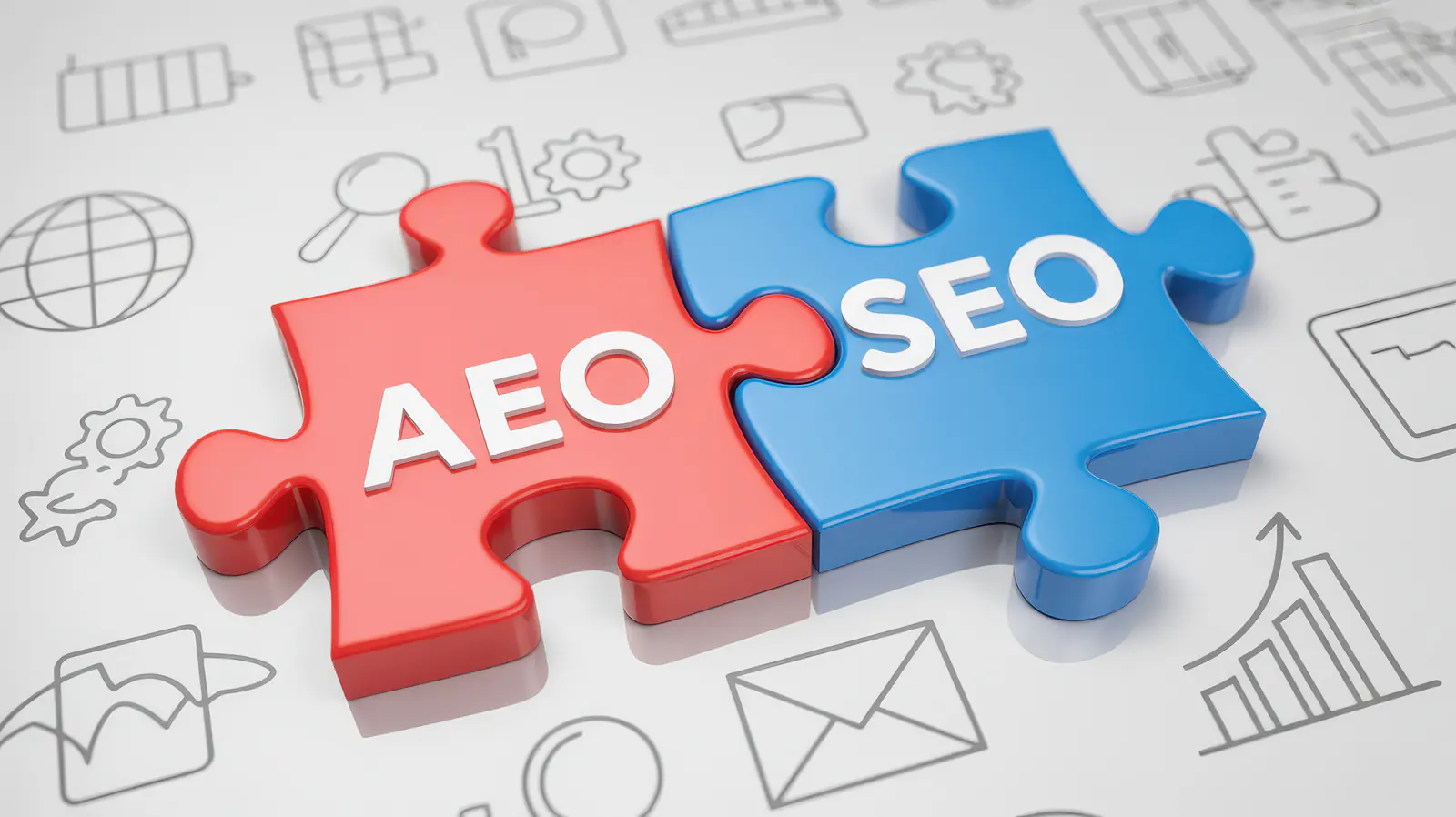
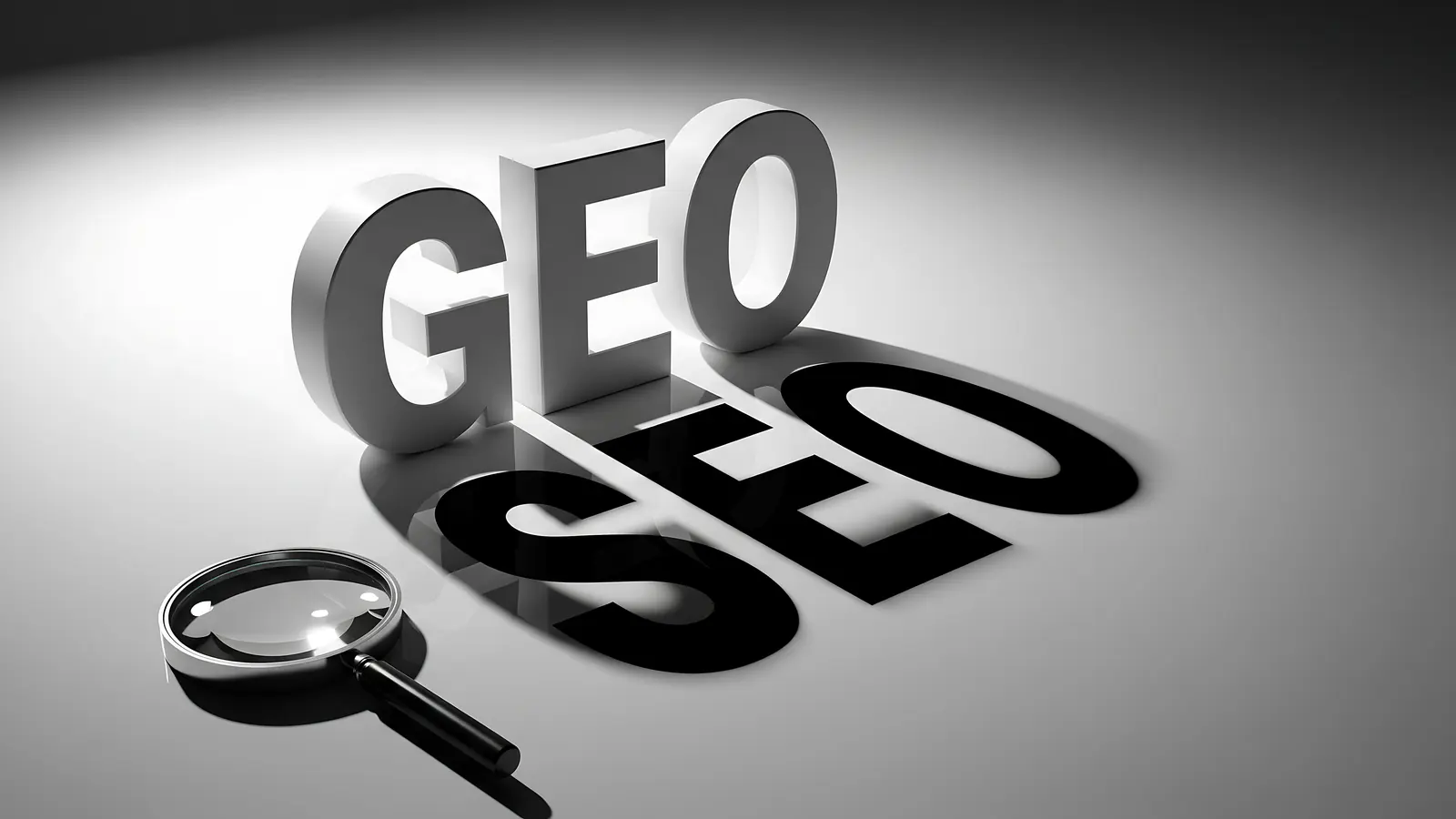
Coordinate answer engine optimization and generative engine optimization around crawlable pages, clear facts, original evidence, reputable sources, and measured visibility.
AI search optimization fits organizations that need one plan for visibility across conventional and generative search experiences. It is not a substitute for fixing an inaccessible site, weak content, inconsistent business facts, or an unclear offer.
Answer systems confuse the brand, services, locations, products, or key facts.
Important expertise is buried in pages that are difficult to extract, verify, or cite.
Descriptions differ across the website, profiles, directories, and authoritative sources.
Teams track isolated prompts without a repeatable method or baseline.
AI search optimization improves the same public sources people and search systems rely on: crawlable pages, explicit entities, consistent facts, direct answers, original evidence, and reputable mentions.
The client supplies verified entity facts, source ownership, expert reviewers, original evidence, monitoring priorities, and approval for any public business information changes.
The work is adapted to the real decisions within this service rather than copied from a generic checklist.
Confirm crawl and index eligibility, useful page purpose, entity clarity, source consistency, and the conventional SEO work that generative search still depends on.
Separate direct-answer opportunities from broader generative discovery and citation questions, then connect both to the pages and evidence that support them.
Create useful first-party material and pursue credible references that support the brand beyond self-published claims.
Check technical access, observe representative prompts and citations, record volatility, and distinguish visibility from traffic and leads.
The work follows the evidence, implementation dependencies, and decisions that matter most.
Define the entities, facts, topics, platforms, and business questions worth monitoring.
Establish a reproducible baseline with dated prompts, locations, accounts, and citation records where possible.
Improve source clarity, content structure, evidence, mentions, and technical accessibility.
Repeat the measurement set and report changes with dates, platform context, and the measurement method.
Final scope depends on the starting condition, access, and agreed responsibilities.
AI SEO foundation and source-consistency review
AEO and GEO opportunity map
Evidence, citation, and mention opportunity plan
AI crawler and technical-access checks
Repeatable prompt, response, citation, and referral monitoring method
Work may use public answer engines, manual prompt sets, brand-monitoring tools, analytics, Search Console, crawler checks, structured data validators, and citation review. Platform access and output can change.
Tool scores support investigation. They do not replace manual review, business context, or verification.
Monitoring may include source accuracy, crawl and index eligibility, branded answer quality, cited-page visibility, qualified referral activity, and conventional organic outcomes where data exists.
No provider can guarantee inclusion, citation, wording, or placement in Google AI features, Bing Copilot, ChatGPT, Gemini, Perplexity, or another answer system.
Illustrative working artifact
This example shows the fields used to turn an observation into accountable work. It is a model, not a client result.
Review how each finding connects the evidence, business impact, priority, recommended action, and measurement plan.
Clients receive the prompt set, observations, source map, content recommendations, monitoring method, and reports. No proprietary prompt list is used to lock the client into continued access.
Initial consistency and content fixes can be scheduled like other SEO work. Measurement uses repeated observations to track how generated answers change over time.
These services commonly support the same underlying business problem.
Use the framework before choosing tools, volume, or a reporting format.
Clear expectations make it easier to compare providers and choose a workable scope.
AEO and GEO are common labels for work focused on answer engines and generative search experiences. They remain part of SEO and depend on crawlable pages, useful content, clear entities, credible sources, and repeatable measurement.
Google Search does not use llms.txt for its search or generative AI features. Other systems may document different uses, so each platform should be evaluated separately.
Valid structured data can clarify visible information, reinforce entity relationships, and support eligible search features when it matches the page content.
Use a documented set of representative prompts, repeat observations over time, record brand presence and cited sources, monitor referral data where available, and retain the method behind each traffic or lead connection.
Tell us what you need search to do for the business. We will review the site and identify a practical starting point.
Online submissions are not enabled yet. Email your website, company name, and main SEO goal to info@toplineseo.com.
Email Your Request